
Sort With Heart. Do Your Part.

Put food scraps in the green cart.

Put food scraps in your green cart.

LEARN ABOUT OUR FOOD SORTING TIPS

ReGen Logo

ReGen Monterey

ReGen Monterey service area includes the cities of Carmel-by-the-Sea, Del Rey Oaks, Marina, Monterey, Pacific Grove, Sand City, Seaside, and the unincorporated areas of Big Sur, Carmel Highlands, Carmel Valley, Castroville, Corral De Tierra, Laguna Seca, Moss Landing, Pebble Beach, San Benancio, and Toro Park.
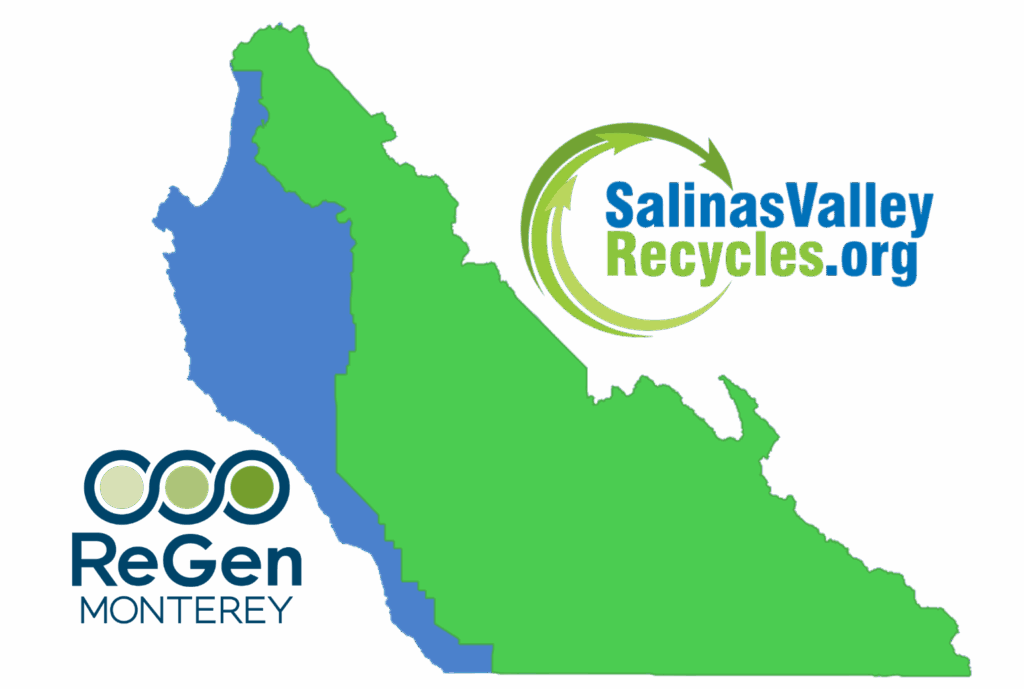
Select the area you live in to find out more.

Salinas Valley Recycles Logo

Salinas Valley Recycles

Salinas Valley Recycles serves the Cities of Salinas, Gonzales, Soledad, Greenfield, and King City and County of Monterey (eastern unincorporated area).

Food Scraps and Compost in a heart shape

Every peel, husk, and leftover has a purpose. When we throw food in the trash, we waste more than a meal, we lose the love and labor, that went into it. But when we put food scraps in the green organics cart, we honor that labor of love while protecting the future.

California’s SB 1383 law keeps food out of landfills, reducing pollution and turning scraps into compost that nourishes local farms and gardens.

The average American throws away 400 lbs of food scraps each year. But food scraps don’t belong in the trash — they can be composted instead, reducing climate pollution and improving our soil.

When food ends up in the landfill, it creates methane, a powerful greenhouse gas. Composting scraps instead turns them into nutrient-rich compost that helps local farms and gardens grow while conserving water and reducing pollution.

  • Fruits & veggies (including peels, pits, seeds, and spoiled bits)
  • Cooked meat, seafood (including bones and shells)
  • Dairy and eggshells
  • Breads, grains, and nut shells
  • Coffee grounds
  • Leftovers and spoiled food
  • Yard trimmings: grass, leaves, branches, untreated wood, etc.
  • Raw meat, oils, and liquids
  • Plastic (including compostable plastics)
  • Paper, cardboard, glass, or metal
  • Food packaging, twist ties, stickers, rubber bands
  • Diapers, pet waste, garden hoses, soil, dirt, and toxic plants
  • Hazardous waste and chemically treated wood
  1. Choose a container – Any bowl, bin, or reused tub will work.
  2. Collect scraps from food prep, plate leftovers, or fridge cleanouts.
  3. Empty into your green cart – No bags or liners, just the food.
  • Store scraps in the freezer to eliminate odor.
  • Use a lid or choose a container with ventilation.
  • Empty every few days, even if not full.
  • Layer with yard trimmings in the cart to prevent flies.
  • Sprinkle baking soda in bins to absorb odors.
  • Keep the green cart in a shady spot.
  • Wash your container regularly.
  • Use a 5-gallon bucket with a lid for outdoor storage.
  • Buy only what you need.
  • Eat leftovers or get creative with new meals.
  • Donate unused, packaged food to food banks.
  • Use food parts like peels for snacks or teas.
  • Freeze items before they spoil.
  • Check expiration dates regularly.
  • Don’t use garbage disposals for food scraps — they waste energy and water.
  • Don’t include compostable plastics or utensils – they contaminate the compost.
  • Don’t toss in tea bags or bleached coffee filters — opt for reusable versions.

Great! Keep it up. You can still use the green cart for excess scraps or hard-to-compost items like bones or shells.

Only These Belong in the Green Cart

  • Loose food scraps

  • Loose yard waste

No bags. No packaging. No coated or plastic-lined materials.

Compost Smart, Compost Right

We are committed to creating high-quality compost that’s safe for soil and free from harmful contaminants. Keeping non-compostable items out of your green cart protects our environment, supports local farms, and helps us all move toward a more sustainable future.

Though labeled “compostable,” bioplastics and fiber-based foodware (like take-out boxes and compostable cups) are not accepted in the green cart program — and here’s why:

  • Made from plants, but often still include petroleum-based plastic.
  • Don’t fully break down in our local compost system (even with high heat).
  • Leave plastic fragments behind, contaminating the finished compost.
  • Need more time and hotter temps than our process allows.

Example: PLA bags, cups and utensils must be screened out after composting.

  • Made from natural materials (like sugarcane or bamboo) but are lined with plastic or grease-resistant chemicals.
  • These linings don’t break down and introduce harmful microplastics and toxins into compost.
  • Compost operators can’t always tell which items are coated, making sorting impossible.

Putting plastic, bioplastics, fiberware, and other trash in the green cart:

  • Slows down composting
  • Reduces compost quality
  • Raises health and safety concerns
  • Adds cost from extra sorting

Sort With Heart survey

Got two minutes? That’s all it takes to make an impact. Take our survey and share your thoughts about food scrap sorting and the Sort With Heart campaign. Your feedback makes a difference for a more sustainable community.
Campaign Funded by a grant from Calrecycle